
Category: Art

Home / Category: Art

Modern Art

2020-11-04 | Art | No Comments
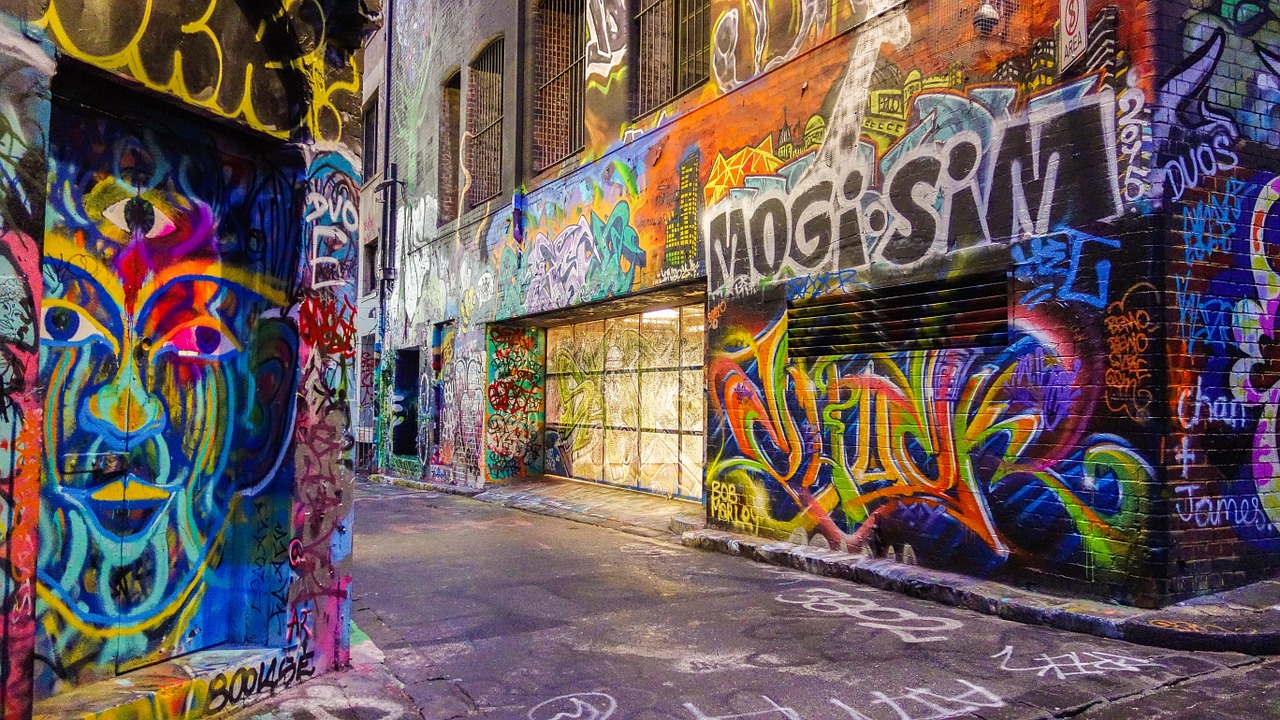
graffiti

The interior of the Toronto Eaton Center showing one of Michael Snow’s most famous sculptures called Flightstop, which depicts Canada Geese in flight.

Several important local and regional developments emerged in the 1960s in dialogue with international trends. In Vancouver, Jan Wallace (artist) was particularly influential in developing this dialogue through his study and exchange programs at Emily Carr University of Art and Design (formerly the Vancouver School of Art) and visits by influential figures such as Lucy Lippard and Robert Smithson introduced young artists to conceptual art.

In Toronto, Spadina Avenue became a hotspot for free-form artists, especially Gordon Rayner, Graham Cutrie, and Robert Markle, who came to define “the Toronto image.”

Other notable moments when contemporary Canadian artists-as individuals or groups-were distinguished by community, international recognition, collaboration, or zeitgeist:

  • Michael Snow’s interdisciplinary art practice and international success since the 1960s
  • Moncton’s fledgling Department of Fine Arts, Université de Moncton, was led in 1963 by sculptor Claude Roussel and founder of CARFAC.
  • Nova Scotia College of Art and Design, Université de Nova Scotia (NSCAD). In 1967, artist Harry Kennedy was appointed president, turning the college into an international center of artistic activity and inviting well-known artists to come to NSCAD as guest artists, especially those involved in conceptual art. Artists who made significant contributions during this period include Vito Acconci, Sol Levitt, Dan Graham, Eric Fischl, Lawrence Weiner, Joseph Beuys and Klaas Oldenburg
  • Pioneering early video art from Lisa Steele (Birthday Suit – Scarred and Flawed) and Colin Campbell
  • The Vancouver School of Photoconceptualism (including Jeff Wall, Rodney Graham and Stan Douglas)
  • International success by A.A. Bronson, Felix Partz, and Jorge Zontal under the name Main Idea.
  • Video Art and Photography David Askevold, an early and highly influential participant in the development and pedagogy of the conceptual art movement. His work was included in the seminal exhibition “Information” at the New York Museum of Modern Art in 1970.
  • The career success of Janet Cardiff and George Bure Miller, who represented Canada at the 49th Venice Biennale in 2001
Canadian Group of Painters

2020-09-27 | Art | No Comments

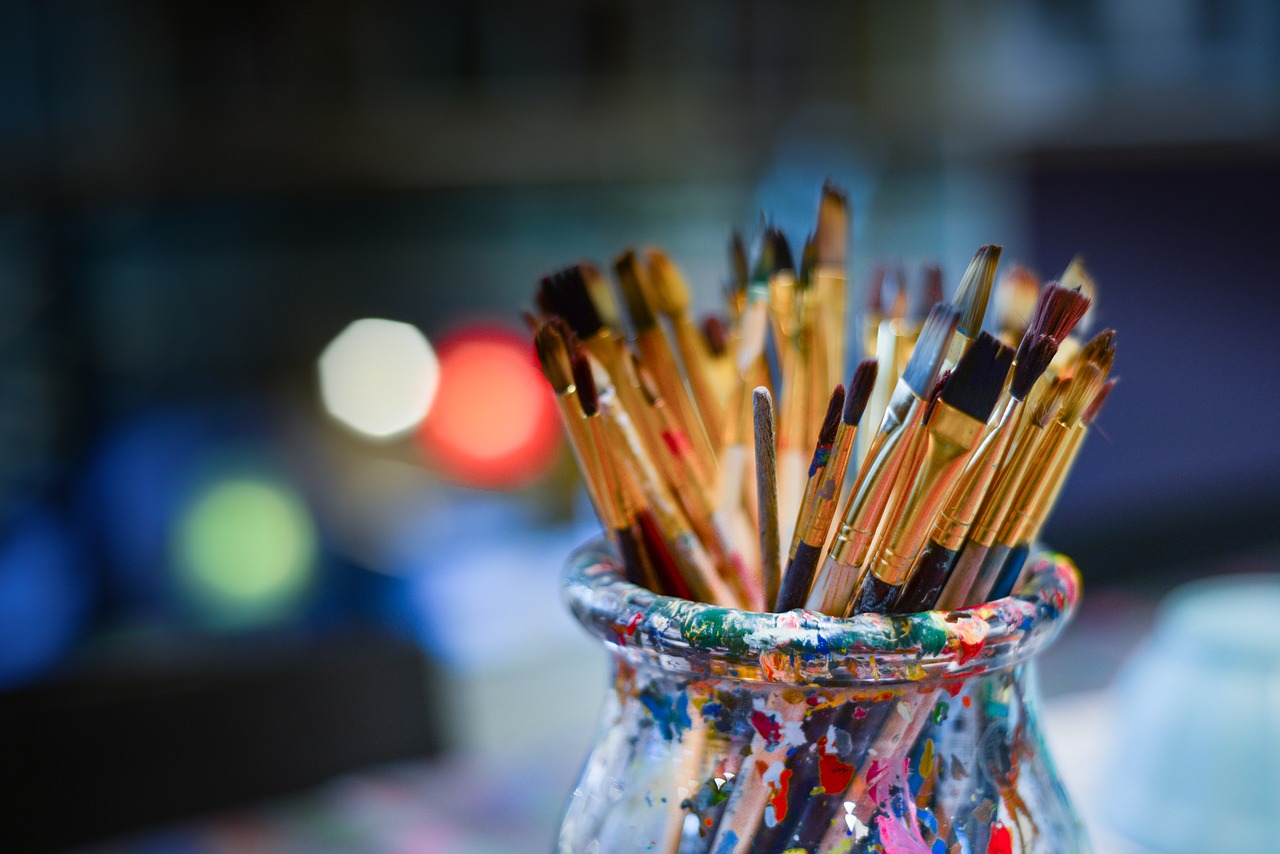
brushes

The Canadian Artists’ Group (CGP) was a collective of 28 artists from around the world who joined together as a group in 1933.

The Canadian Group of Artists replaced the disbanded Group of Seven, whose paintings of Canadian wildlife had a strong influence on Canadian art. In the early 1930s, the prominence of the Big Seven caused controversy, as many believed that the National Gallery of Canada had shown favoritism for their work and they were the only Canadian artists to receive worldwide recognition. Concerns about the potential bias of the gallery and the exclusion of contemporary artists led to the formation of the Canadian Artists Group in February 1933.

The group consisted of 28 English-speaking artists from across Canada. Lauren Harris as its inaugural president. Some of the other Group of Seven artists were also included in the new group, including A. J. Casson, Arthur Lismer, A. Y. Jackson, F. H. Varley, and Franklin Carmichael.

Although the group never created a manifesto, they lived and worked with two goals: to foster closer collaboration among Canadian artists and to encourage and develop Canadian artistic expression.

Their first exhibition of “nationalist art” was held in Atlantic City, New Jersey, in November 1933. They displayed 57 works at the Heinz Art Salon, which proved to be a great international venue for showcasing their brand. However, the works of the group of seven still received the most recognition and press. The first CGP exhibition in Canada was held in November 1933. The exhibition was less austere in style and presented a wider range of works outside the Canadian landscape style.

Their next exhibition was not until January 1936 at the Toronto Art Gallery. Much of the delay was caused by the many scandals between members of the group, including an affair between Lauren Harris and Bess Larkin Hasser, a fellow artist and wife of CGP secretary Fred Husser. Harris stepped down as president and A. Y. Jackson took over with vice presidents Arthur Lysmer and Prudence Huard in 1936. The group held a number of exhibitions under its new leadership and took steps toward a unified style.

The Eastern Artists Group was formed in Montreal, Quebec in 1938 to counter the influence of the Canadian group of artists.

Canada Council

2020-09-23 | Art | No Comments

architecture

The Canada Council for the Arts, commonly referred to as the Canada Council, this Crown Corporation founded in 1957 to act as the arts council of the Government of Canada, established to encourage and promote the study and use as well as the production of works in art.

It funds Canadian artists and encourages the production of art in Canada. The current chairman of the board of the Canada Council is Pierre Lassonde.

The Council of Canada is an independent agency based in Ottawa, Ontario, which reports to the Crown through the Minister of Canadian Heritage. Its income from endowments is supplemented by annual appropriations from Parliament, endowments and bequests. Its main responsibility is to make grants to Canadian artists based on their applications. The Council also funds and administers many of Canada’s top arts awards, including the Governor General’s Literary Awards.

The Council consists of six major divisions. Each of these areas coordinates grants in different areas of the arts.

Council of Canada oversees the Art Bank. The Art Bank is a division of the Canada Council for the Arts, whose responsibilities include leasing works of art to public and private offices. It has the largest collection of contemporary Canadian art in the world. The collection includes about 18,000 works of art, 6,400 of which are currently leased to more than 200 public and corporate clients.

Created in the 1970s and developed by an employee of the Visual Arts Council of Canada. Suzanne Rivard-Lemoyne, Art Bank buys art from prominent Canadian artists through a system of expert juries. The bank is entirely self-financed, earning money by renting out works from its collection. The bank continues to expand its collection by purchasing works according to its annual purchasing budget. The vast majority of the artwork is leased by the Federal Government, with less than ten percent leased to the private sector. Works of art are leased for a period of two years. The rental rate is usually 20 percent of the object’s market value. Although Art Bank is based in Ottawa, Ontario it serves its clients across the country. Its collection is valued at more than $71 million.

In 2002, the Art Bank of Canada Council began purchasing Aboriginal artwork to add to its collection as part of its 45th anniversary celebrations.